
 By Sebastian Jordan
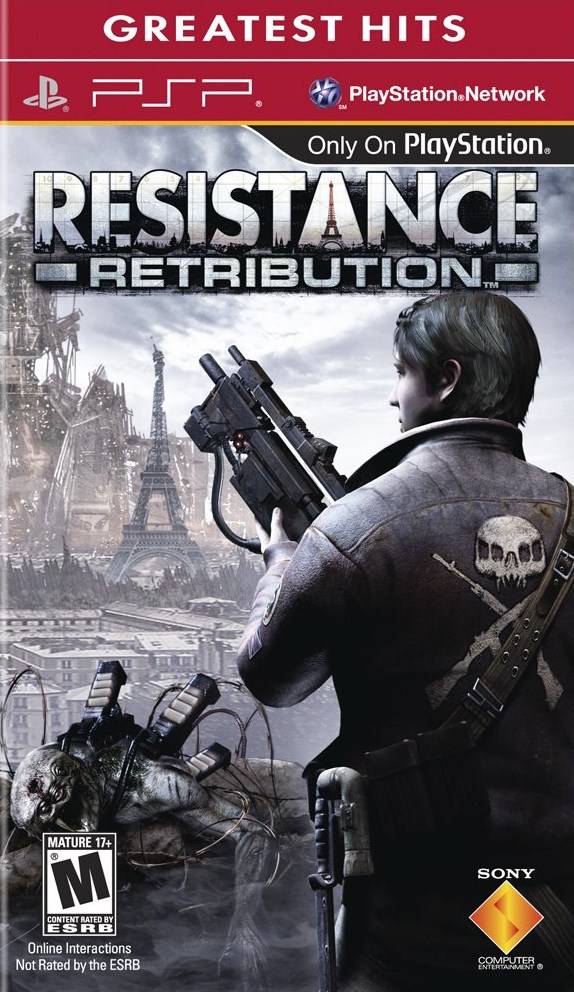
PSP’s Greatest Hits: Replay Revolution
Introduction
Remember the Sony PlayStation Portable (PSP)? That sleek, pocket-sized powerhouse that let you take console-quality gaming on the go? For many, it wasn’t just a gadget; it was a portal to a world of adventure, a soundtrack to commutes, and a canvas for creative expression. But like all good things, the PSP era eventually faded, leaving many of its most beloved games trapped on UMD discs and aging digital storefronts. The question is: how do we bring these gems back to life? How do we spark a “Replay Revolution” and ensure these titles get the audience they deserve?
The Ghosts of Gaming Past
The PSP wasn’t just a handheld console; it was an innovation hub. It gave us experiences we’d never seen on a portable device before. From the epic scale of *God of War: Chains of Olympus* to the strategic depth of *Final Fantasy Tactics: War of the Lions*, the PSP library was a treasure trove. Even its original IPs like *Patapon* and *LocoRoco* were instant classics.
However, time, as it always does, has taken its toll. The UMD format is obsolete, the PSP’s digital store is effectively closed, and the hardware itself is aging, making it difficult for new players to discover – and for old fans to revisit – these titles. This isn’t just about nostalgia; it’s about preserving a significant part of gaming history.
The Short-Term Pain, The Long-Term Loss
In the short term, the inaccessibility of PSP games means missed opportunities. New generations of gamers are deprived of experiencing these titles, potentially missing out on classics that could shape their gaming tastes. For developers, it’s lost revenue. Games that were once commercially successful are now gathering dust, unable to reach new audiences who would gladly purchase and enjoy them.
The long-term implications are even more profound. As gaming evolves, it’s crucial to remember where we came from. Preserving these games is not just about entertainment; it’s about cultural heritage. It’s about understanding the evolution of game design, storytelling, and technology. If we allow these games to fade into obscurity, we risk losing a valuable part of our gaming legacy.
Igniting the Replay Revolution: Practical Solutions
So, how do we solve this problem? Here are several potential paths forward:
- Emulation – The DIY Approach
Emulation is perhaps the most accessible and immediate solution. Modern smartphones and PCs are powerful enough to emulate the PSP with impressive accuracy. While downloading ROMs (game files) from unofficial sources can be legally gray, it’s often the only option for accessing these games.
- How it works: Emulators like PPSSPP are readily available and user-friendly. You download the emulator, obtain the ROM of the game you want to play (ideally by ripping it from your own UMD), and load it into the emulator.
- Pros: Free, widely accessible, allows for graphical enhancements and custom controls.
- Cons: Legal ambiguity of ROM acquisition, can be technically challenging for beginners, potentially unstable emulation.
- Sony Rereleases – The Official Route
The most desirable solution would be for Sony to rerelease PSP games on modern platforms like PlayStation 4, PlayStation 5, Nintendo Switch, PC, or mobile. This could involve simple ports, remasters with improved graphics, or even full-fledged remakes.
- How it works: Sony would need to obtain or re-acquire the rights to the games, update them for modern hardware, and release them digitally through online stores like the PlayStation Store.
- Pros: Legitimate and legal, ensures games are properly preserved, potential for enhancements and improvements.
- Cons: Relies entirely on Sony’s willingness, potential for pricing issues, may not include the entire PSP library.
Case Study: The *Crisis Core: Final Fantasy VII* Reunion
The remake of *Crisis Core: Final Fantasy VII* offers a compelling example. Originally a PSP exclusive, *Crisis Core* was widely praised for its story and gameplay. By remaking it for modern consoles and PC, Square Enix was able to introduce this beloved title to a new generation, generating significant sales and renewed interest in the *Final Fantasy VII* universe.
- Fan-Driven Preservation – The Community Effort
In the absence of official support, fan communities can play a crucial role in preserving PSP games. This could involve creating patches to improve emulation compatibility, archiving game data, translating games into new languages, or even developing unofficial sequels or spin-offs.
- How it works: Dedicated fans collaborate online to preserve and enhance PSP games, often using their technical skills and passion for the platform.
- Pros: Driven by love for the games, can address issues that official channels ignore, fosters a sense of community.
- Cons: Relies on volunteer effort, potential legal issues, can be technically challenging.
Alternative Approaches: Thinking Outside the Box
Beyond these primary solutions, there are other possibilities worth exploring:
- Partnerships with Indie Developers: Sony could partner with indie developers to create spiritual successors or homages to classic PSP games. This would allow them to capture the spirit of the PSP without directly porting or remaking existing titles.
- Subscription Services: Including a selection of PSP games in a subscription service like PlayStation Plus would provide a convenient and affordable way for players to access these titles.
- Crowdfunding: Launching crowdfunding campaigns to fund remasters or remakes of specific PSP games could gauge public interest and provide the necessary resources for development.
Conclusion: A Future Where Every Game Lives On
The PSP’s greatest hits deserve to be replayed, rediscovered, and celebrated. While the challenges of preservation are real, the solutions are within reach. Whether it’s through emulation, official rereleases, or community-driven efforts, we can ensure that these games continue to inspire and entertain for generations to come.
The “Replay Revolution” starts with awareness and action. Share your favorite PSP memories, support preservation efforts, and let Sony know that you want to see these games return. With a collective push, we can ensure that the PSP’s legacy lives on, proving that even the smallest console can leave a lasting impact on the world of gaming. The power to replay the revolution is in our hands – let’s not waste it.