
 By Sebastian Jordan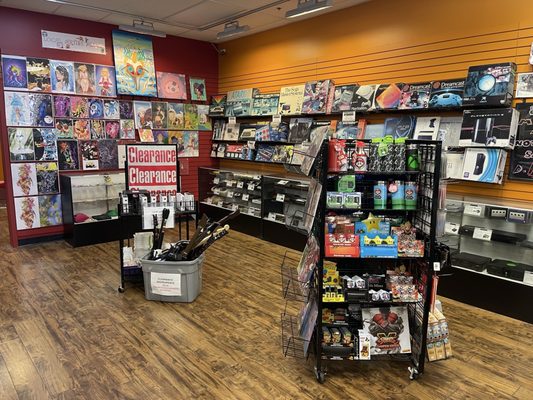
Game Over for Mediocrity: A New Era for Game Stores
Introduction
Remember that feeling? The electric buzz as you walked into your local game store, the walls lined with colorful boxes promising adventure, the low hum of demo units showcasing the latest titles? For many of us, those memories are etched in our minds, a nostalgic reminder of a simpler time in gaming. But let’s be honest, for many independent game stores, those days are feeling increasingly distant.
The truth is, the gaming landscape has drastically changed. The digital download revolution, the rise of online retailers like Amazon, and the sheer convenience of subscription services like Xbox Game Pass and PlayStation Plus have chipped away at the traditional game store’s foundation. For too long, many stores have clung to outdated models, offering a limited selection, relying solely on new game sales, and providing little reason for customers to choose them over the convenience of online alternatives.
The result? Mediocrity. A slow slide into irrelevance as customers flock to cheaper, more convenient options. But it doesn’t have to be this way. The game isn’t over; it’s just evolved. And it’s time for game stores to evolve with it.
The Short-Term Pain and Long-Term Peril
The immediate consequences of sticking to the status quo are painfully obvious. Declining foot traffic leads to lower sales, forcing owners to cut costs, often resulting in a smaller selection, fewer staff, and ultimately, a less appealing store. This creates a vicious cycle, pushing more customers away and accelerating the decline.
But the long-term implications are even more concerning. Losing independent game stores means losing a vital part of the gaming community. These stores are often hubs for local tournaments, events, and gatherings, fostering a sense of belonging and shared passion that online platforms simply can’t replicate. The loss also impacts the gaming industry itself. Independent stores often champion smaller developers and niche titles, providing them with a platform they wouldn’t otherwise have. Without these stores, the gaming ecosystem risks becoming homogenized, dominated by only the biggest players.
Level Up: Practical Solutions for a Thriving Future
The good news is that there are actionable steps game stores can take to not just survive but thrive in this new era. Here are a few strategies to consider:
1. Embrace the Experience Economy:
Stop simply selling games. Start selling experiences. Transform your store into a destination, a place where gamers want to hang out, not just buy things.
- Organize Regular Events: Host tournaments for popular games like Magic: The Gathering, Warhammer, or the latest esports titles. Offer demo days for new releases, board game nights, or even retro gaming evenings. These events bring people in, foster community, and create a buzz that’s hard to replicate online.
- Create a Community Hub: Designate a dedicated area for tabletop gaming, card games, or even console gaming. Charge a small hourly fee or offer membership packages for access. Consider offering refreshments and snacks to further enhance the experience.
- Think Outside the Box: Partner with local businesses to cross-promote events. Host a “Gaming and Pizza Night” with a nearby pizzeria, or offer discounts to customers who show a movie ticket from the local cinema.
Case Study: A store in Portland, Oregon, “Guardian Games,” transformed itself from a traditional game store into a thriving community hub by hosting daily events, running multiple game leagues, and offering a wide selection of board games and RPGs. Their focus on experience and community has made them a local favorite, attracting a loyal customer base that extends far beyond simple game purchases.
2. Diversify Your Product Offerings:
Don’t rely solely on new game sales. Explore other revenue streams to bolster your bottom line.
- Embrace Retro Gaming: Capitalize on the nostalgia factor by stocking classic consoles, games, and accessories. This segment of the market is booming, and it’s a great way to attract a different demographic.
- Expand into Collectibles: Offer a wider range of merchandise, including figurines, statues, t-shirts, and other gaming-related collectibles. These items often have high margins and can attract impulse purchases.
- Offer Repair Services: Provide console and game repair services. This is a valuable service that can attract customers who might not otherwise visit your store.
- Trade-ins & Pre-owned: Buy and sell used games and consoles. Offer competitive trade-in values to entice customers and build a loyal customer base.
Case Study: GameStop, while facing its own challenges, has successfully diversified its product offerings to include collectibles, apparel, and other merchandise, helping to offset the decline in new game sales.
3. Go Hyper-Local and Personalize the Experience:
What makes your store unique? What can you offer that Amazon can’t?
- Offer Expert Advice: Train your staff to be knowledgeable and passionate about games. Provide personalized recommendations and offer in-depth explanations of different games and genres.
- Cater to Local Interests: Focus on stocking games and merchandise that appeal to the local gaming community. If there’s a strong local fighting game scene, stock up on fight sticks and organize tournaments.
- Build Relationships: Get to know your customers. Remember their names, their preferences, and their gaming habits. Use this information to provide personalized recommendations and build loyalty.
- Create a Loyalty Program: Reward your loyal customers with discounts, exclusive access to events, and other perks.
4. Embrace the Digital Age (Without Abandoning the Physical):
Don’t fight the digital revolution; embrace it.
- Build an Online Presence: Create a user-friendly website and social media presence. Use these platforms to promote events, showcase new products, and engage with your customers.
- Offer Online Ordering: Allow customers to browse your inventory and place orders online for pickup or delivery.
- Run Online Promotions: Use social media to run contests, giveaways, and other promotions.
- Partner with Online Influencers: Collaborate with local gaming influencers to promote your store and events.
Alternative Approaches and Considerations:
- Niche Focus: Instead of trying to be everything to everyone, consider specializing in a particular niche, such as retro gaming, tabletop gaming, or a specific genre of video games.
- Cooperative Model: Explore the possibility of forming a cooperative with other independent game stores to pool resources and negotiate better deals with suppliers.
- Community Funding: Consider crowdfunding campaigns to raise capital for renovations, new inventory, or special events.
The Path Forward: Optimism and Action
The future of game stores is not predetermined. It’s a blank canvas waiting to be painted with creativity, innovation, and a deep understanding of what gamers want. The era of mediocrity is over. By embracing the experience economy, diversifying product offerings, focusing on personalization, and embracing the digital age, independent game stores can not only survive but thrive in this new gaming landscape.
The power is in your hands. It’s time to level up, create unforgettable experiences, and remind the world why game stores are an essential part of the gaming community. The game is on!