
 By Sebastian Jordan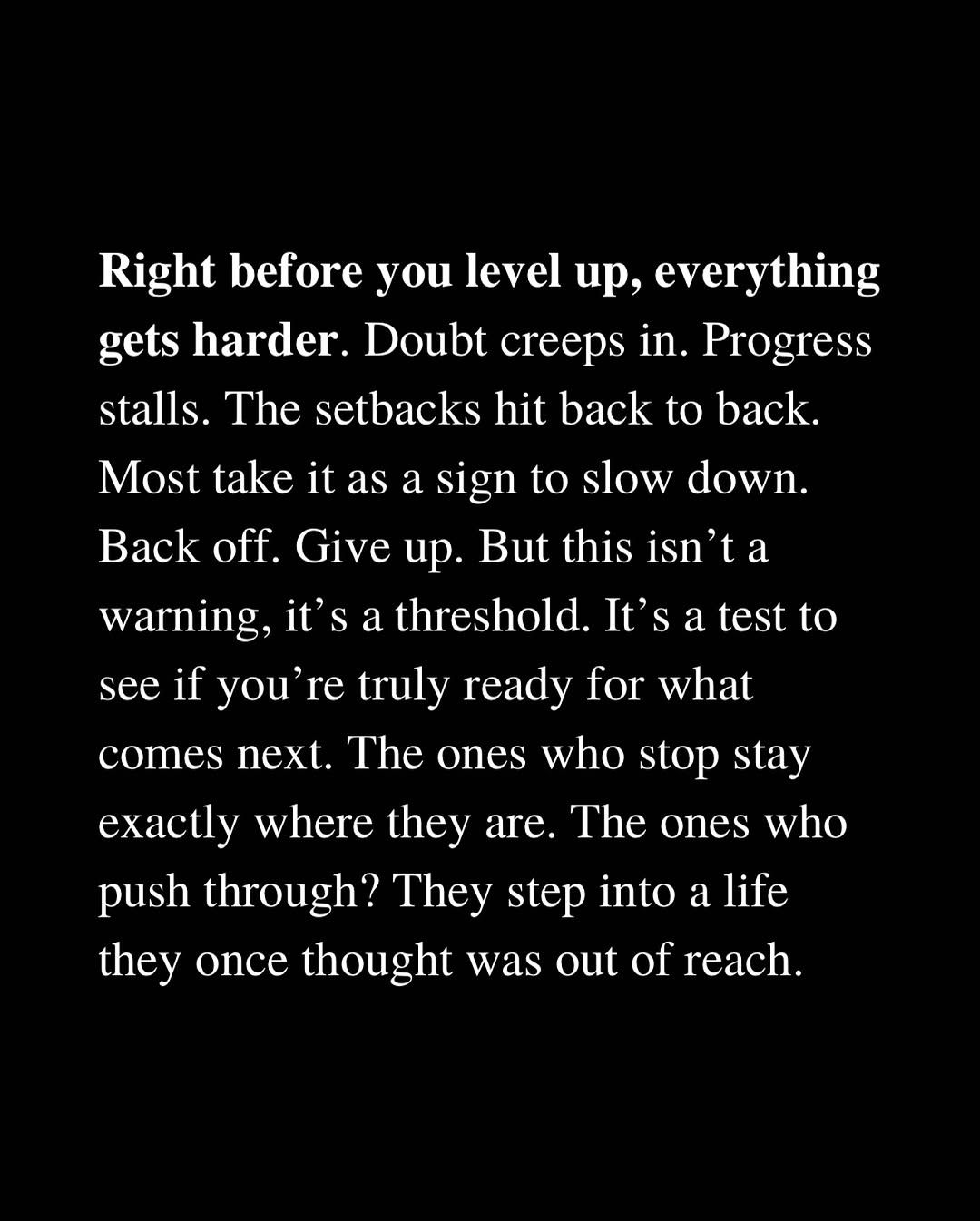
LEVEL UP OR LOSE EVERYTHING
Introduction
Okay, let’s be real. That title probably grabbed your attention, right? It’s supposed to. Because frankly, in today’s world, it’s not an exaggeration. Whether you’re talking about your career, your business, your relationships, or even just your personal growth, the message is the same: evolve or dissolve. Adapt or… well, you get the picture.
We’re not talking about some melodramatic, end-of-the-world scenario here. But we are talking about the very real and increasing pressure to stay relevant, to keep learning, and to actively shape your future instead of just letting it happen to you.
Explanation of the Problem
The Short Game: The Daily Grind & The Missed Opportunities
Think about it. In the short term, failing to “level up” can manifest as feeling stuck in a dead-end job. You see colleagues getting promoted, acquiring new skills, and landing exciting projects, while you’re… well, you’re doing the same thing you’ve been doing for the last five years.
This isn’t just about envy, although that might be a factor. It’s about the tangible consequences. You miss out on opportunities for raises, bonuses, and more responsibility. Your skills become outdated, making you less valuable in the job market. You start feeling stagnant, uninspired, and disengaged, which bleeds into other areas of your life.
Consider Sarah, a marketing assistant at a mid-sized company. She was good at her job, efficiently handling administrative tasks. But while her colleagues were taking online courses, attending workshops, and experimenting with new marketing technologies, Sarah remained comfortable in her routine.
The company decided to invest in a new marketing automation platform. Everyone except Sarah was chosen for the training program because they demonstrated an eagerness to learn new skills. Six months later, Sarah was still handling administrative tasks while her colleagues were strategizing and implementing innovative campaigns. She felt left behind, and her lack of relevant skills eventually led to her feeling insecure about her job and looking for other options.
Sarah’s story isn’t unique. It’s a microcosm of the “level up or lose everything” reality playing out across countless industries.
The Long Game: Becoming Irrelevant & Obsolete
Now, let’s zoom out and look at the long-term consequences. In the long run, failing to adapt and evolve can lead to obsolescence. Your skills become irrelevant, your network stagnates, and you find yourself increasingly out of sync with the demands of the world.
Think about the professions that have been dramatically impacted by technology: travel agents replaced by online booking platforms, data entry clerks automated by software, and even some aspects of journalism being taken over by AI.
This isn’t about predicting the future. It’s about recognizing that the future is constantly being shaped, and that your ability to thrive depends on your willingness to adapt to it. The long-term cost of standing still is not just missed opportunities, but potential professional extinction.
Imagine a graphic designer who refuses to learn new design software or embrace modern design trends. They might still be able to create logos and brochures using the techniques they learned in college, but they’ll struggle to compete with designers who are fluent in the latest tools and styles. They’ll miss out on lucrative projects, struggle to attract clients, and eventually find themselves unable to sustain their career.
Solutions
Alright, enough doom and gloom. Let’s get to the good stuff: the solutions. Here are some practical, applicable, and easy-to-understand steps you can take to “level up” in your own life and career:
- Identify Your Skills Gap: This is the most crucial step. What skills are in demand in your industry? What skills do you need to achieve your career goals? Be honest with yourself and identify the areas where you need to improve. Tools like LinkedIn Skills assessments, industry reports, and even just talking to colleagues in your field can provide valuable insights.
- Embrace Lifelong Learning: The formal education system is just the starting point. Commit to continuous learning. This could involve taking online courses, attending workshops, reading industry publications, listening to podcasts, or even finding a mentor. The key is to make learning a regular part of your routine. Platforms like Coursera, Udemy, and LinkedIn Learning offer a vast library of courses on a wide range of subjects.
- Network Strategically: Your network is your net worth. Build relationships with people in your industry, attend industry events, and participate in online communities. Networking isn’t just about collecting contacts; it’s about building genuine relationships and exchanging knowledge.
- Embrace Experimentation and Failure: Don’t be afraid to try new things, even if you’re not sure you’ll succeed. Experiment with new technologies, take on challenging projects, and step outside of your comfort zone. Failure is a valuable learning opportunity. As Thomas Edison famously said, “I have not failed. I’ve just found 10,000 ways that won’t work.”
- Seek Feedback and Act on It: Ask for feedback from your colleagues, managers, and mentors. Be open to criticism and use it to identify areas for improvement. Don’t just collect feedback; actively incorporate it into your development plan.
Alternative Approaches: Tailoring Your Strategy
The “level up” journey is personal. What works for one person might not work for another. Here are some alternative approaches to consider:
- Focus on Micro-Learning: If you’re short on time, focus on micro-learning – short, focused bursts of learning that can be easily integrated into your busy schedule. This could involve watching a 10-minute YouTube tutorial, reading a blog post, or listening to a podcast episode on your commute.
- Find a Mentor or Coach: A mentor or coach can provide personalized guidance, support, and accountability. They can help you identify your strengths and weaknesses, set goals, and develop a plan to achieve them.
- Leverage Internal Resources: Many companies offer training programs, workshops, and mentorship opportunities. Take advantage of these resources to develop your skills and advance your career.
- Join a Professional Organization: Professional organizations offer a wealth of resources, including training programs, networking events, and industry insights. They can also provide a sense of community and support.
Conclusion
The “level up or lose everything” message isn’t meant to be a threat. It’s a call to action. It’s an invitation to take control of your future and actively shape your destiny.
The good news is that you have the power to choose. You have the power to learn, adapt, and evolve. You have the power to create a fulfilling and successful career, and a meaningful life.
It won’t always be easy. There will be challenges and setbacks along the way. But by embracing a growth mindset, committing to lifelong learning, and actively shaping your future, you can not only survive in this rapidly changing world, but thrive.
So, take a deep breath, identify your next step, and start leveling up. Your future self will thank you for it. The journey of a thousand miles begins with a single step, and your journey to leveling up starts now!