
 By Sebastian Jordan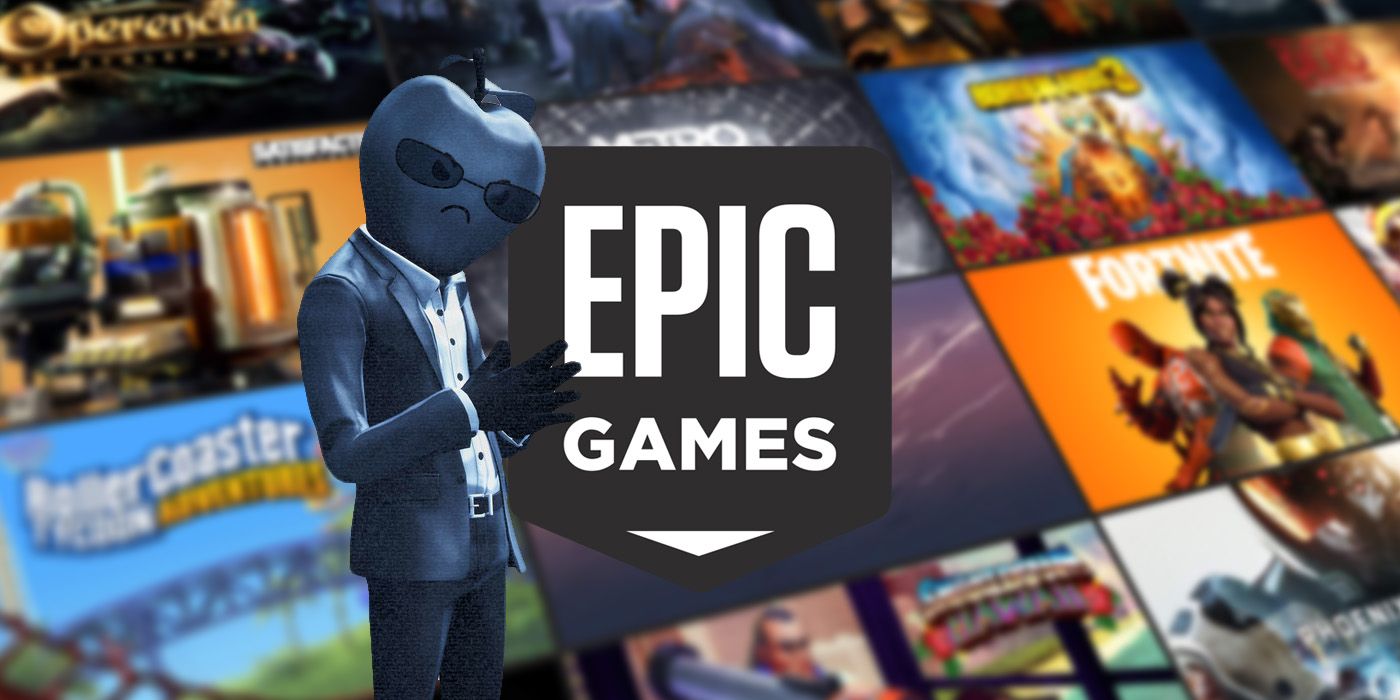
Epic Games Store: Leveling Up or Losing the Game?
Introduction
Remember when Steam was the only real game in town for PC game distribution? Feels like ancient history, doesn’t it? Now, we’ve got a contender throwing down the gauntlet: the Epic Games Store (EGS). With its aggressive tactics, free game giveaways, and exclusive deals, EGS has undoubtedly shaken up the PC gaming landscape. But is it truly “leveling up” the industry for everyone, or is it, perhaps, slowly “losing the game” in the long run?
Let’s be real, when EGS first launched, the reaction was…mixed. Some applauded the challenge to Steam’s dominance, while others grumbled about yet another launcher cluttering their desktops. Fast forward to today, and the debate rages on. Is the initial hype wearing off? Are the free games enough to keep players engaged? And what about the long-term impact of Epic’s strategy on developers and the gaming community?
The Short-Term High: Free Games and Furious Exclusivity
Initially, the EGS hit the scene like a perfectly timed power-up. Who could resist the promise of free games every week? Titles like *Grand Theft Auto V*, *Control*, and *Kingdom Come: Deliverance* – all AAA bangers given away for absolutely nothing. This aggressive approach quickly garnered attention and built a user base, enticing gamers to download the launcher and give it a shot.
Then came the exclusives. This is where things got a little…spicy. Epic started throwing serious cash at developers to secure exclusive rights to their games, meaning titles like *Metro Exodus* and *Borderlands 3* wouldn’t be available on Steam for a set period (or even at all). For Epic, this was a clear strategy to attract users and differentiate themselves. For developers, it meant guaranteed revenue, regardless of initial sales figures.
However, the gaming community was divided. Some appreciated the lower prices and the guaranteed income for developers, allowing them to focus on crafting better games. Others felt betrayed, claiming that timed exclusivity was anti-consumer and stifled choice. The internet was filled with heated debates and, let’s face it, plenty of memes.
The short-term impact? Epic successfully disrupted the market, forced Steam to innovate (hello, better revenue splits for developers!), and put more money in the pockets of some game creators. But it also created friction, fueled resentment, and raised questions about the long-term sustainability of their approach.
The Long Game: Sustainability, Developer Dependence, and User Loyalty
So, what happens when the free AZTEC 88 game giveaways slow down? What happens when the exclusivity deals expire? This is where the long-term implications of EGS’s strategy come into play.
One major concern is sustainability. Epic has been burning through cash like a dragon with indigestion to fund its aggressive expansion. While they have the *Fortnite* money printing machine to back them up, can they continue to sustain this strategy indefinitely? At some point, the freebies will have to diminish, and the exclusivity deals will need to start paying for themselves.
This leads to the question of developer dependence. While guaranteed revenue upfront is undoubtedly attractive, it also creates a dependence on Epic’s generosity. Are developers incentivized to create genuinely innovative and engaging games when their financial success is primarily tied to an exclusivity deal? Or does it breed a culture of complacency, where developers rely on the EGS for survival rather than focusing on building their own brand and community?
Finally, there’s the issue of user loyalty. Are users genuinely invested in the EGS ecosystem, or are they simply there for the free games and exclusive deals? If the incentives disappear, will they stick around? Steam has built a loyal user base over years by fostering a strong community, providing a wide range of features, and consistently improving its platform. EGS, with its bare-bones interface and lack of features, still has a long way to go to cultivate the same level of loyalty.
Leveling Up: Potential Solutions for Epic Games Store
If Epic wants to truly level up and establish itself as a long-term player in the PC gaming market, it needs to shift its focus from short-term gains to sustainable growth. Here are a few potential solutions:
- Invest in User Experience: Let’s be honest, the EGS interface is still pretty basic. Improving the user experience by adding features like user reviews, forums, mod support, and a more robust library management system would go a long way in fostering user loyalty. Think of Steam’s community features – they keep people engaged even when they aren’t buying new games.
- Focus on Curation, Not Just Exclusivity: Instead of simply throwing money at any game to secure an exclusivity deal, EGS should focus on curating a collection of high-quality, innovative titles that align with its brand. This could involve partnering with indie developers to showcase unique and experimental games, or supporting developers who are pushing the boundaries of the gaming medium. Imagine EGS becoming known for its commitment to showcasing groundbreaking indie titles – that’s a powerful differentiator.
- Build a Strong Developer Community: Epic could create a more supportive and collaborative environment for developers by providing resources, tools, and mentorship programs. This could involve hosting developer conferences, offering technical support, and providing access to Epic’s vast network of industry experts. This would not only attract more developers to the platform but also help them create better games.
- Offer Competitive Pricing (Beyond Free Games): While free games are a great initial draw, EGS needs to offer consistently competitive pricing on a wider range of titles to attract price-conscious consumers. This could involve implementing a dynamic pricing system, offering regional discounts, or partnering with developers to offer exclusive deals on their games. Think of the GOG platform, which offers DRM-free games and regularly hosts sales with significant discounts – it’s a compelling alternative for many gamers.
- Embrace Openness and Choice: Instead of relying solely on timed exclusivity, EGS should explore alternative strategies that embrace openness and choice. This could involve offering developers the option to release their games on multiple platforms simultaneously while still receiving financial support from Epic. This would not only appease the gaming community but also foster a more collaborative and inclusive ecosystem. Look at how the Humble Bundle operates – they offer a variety of games across different platforms and support charitable causes, creating a positive and engaging experience for both developers and players.
Losing the Game: Potential Pitfalls to Avoid
Conversely, here are some pitfalls Epic should be wary of:
- Relying Solely on Free Games: Free games are a great way to attract users initially, but they are not a sustainable business model in the long run.
- Ignoring Community Feedback: It’s crucial to listen to the concerns and suggestions of the gaming community and actively address them.
- Becoming a Monolith: Monopolies stifle innovation and limit consumer choice. A healthy gaming ecosystem requires multiple platforms.
- Prioritizing Profit Over Quality: Making great games should always be the priority. Profit should be a byproduct of quality.
The Verdict: A Chance for Greatness
The Epic Games Store has the potential to be a real force for good in the PC gaming industry. By focusing on long-term sustainability, fostering a strong developer community, and prioritizing the user experience, EGS can evolve from a disruptor to a true innovator. It needs to shift its focus from simply buying market share to building a platform that gamers genuinely want to use.
The game isn’t over yet, not by a long shot. Epic has the resources, the vision, and the opportunity to create something truly special. But it needs to play its cards right, learn from its mistakes, and listen to the community. Only then can it truly level up and secure its place in the PC gaming pantheon. So, whether EGS is destined to be a fleeting fad or a long-term game-changer remains to be seen. But one thing is certain: the next few years will be crucial in determining its fate.
Now is the time to act. Now is the time to learn. Now is the time to make informed decisions and take the necessary actions to ensure that your business thrives in a competitive environment. With the right approach, you can position yourself for success and achieve your long-term goals.